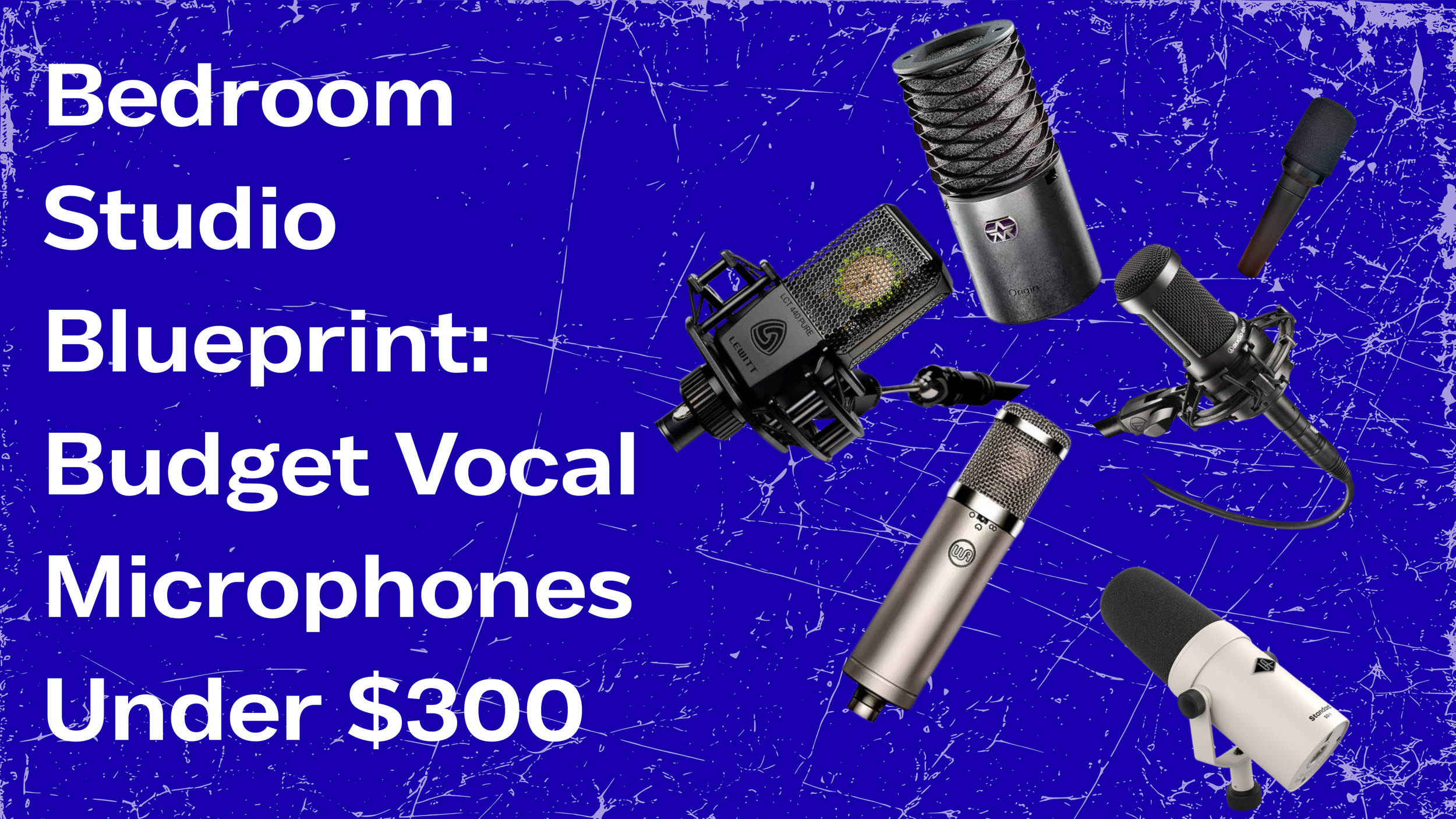
Bedroom Studio Blueprint: Budget Vocal Microphones Under $300
You don't need a million-dollar studio to make a million-dollar record. You need a decent room, some patience, and one mic that actually flatters your voice. That's really it. Everything else is just advertising dressed up as necessity.
Look, here's the truth: the golden age of home recording isn't coming, it's already here. That mic your favorite indie artist used on their breakout album? Probably cost less than a couple of pizzas and a month of streaming subscriptions. And relax about the acoustics—you don't need to turn your bedroom into a foam-padded fortress. You just need to know which gear actually delivers and which ones are all hype with a pretty logo. That's exactly why we're kicking off this Bedroom Studio Blueprint series—to cut through the noise and help you build a setup that works, without emptying your wallet or your sanity. So take a breath, pull up a chair, and ignore the GAS (that's Gear Acquisition Syndrome, for the newbies). Your best take isn't waiting for a bigger budget. It's waiting for you to hit record.
Mic Recommendations
1. Aston Origin - $249
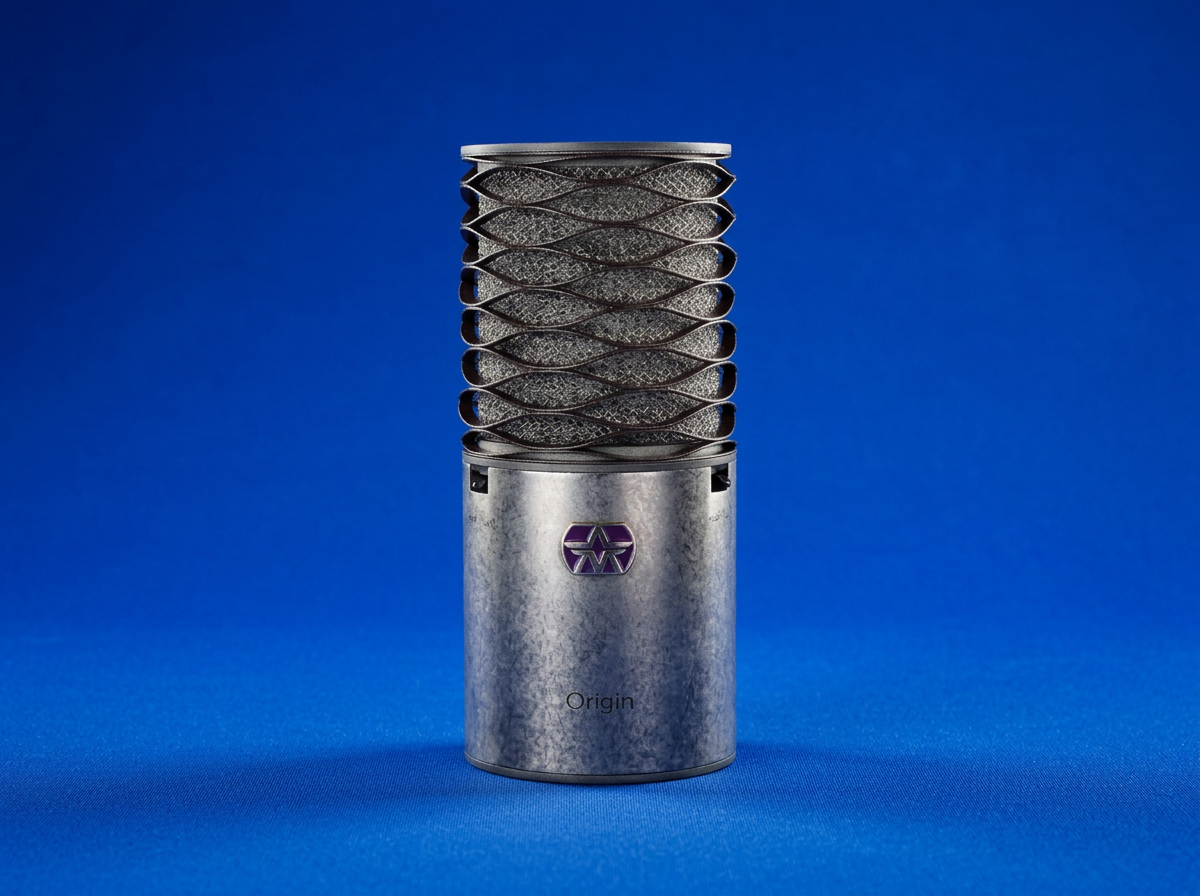
The Origin has a tone all its own. It's not chasing a vintage clone sound, it's doing its own thing, and that makes it stand out in a market full of copies. The built in pop shield is a small detail that saves you a purchase and some desk space, which matters when you're working in a small room.
Specs at a glance:
Type: Large-diaphragm condenser
Polar Pattern: Cardioid
Frequency Range: 20 Hz – 20 kHz
Max SPL: 127 dB
Features: Built-in pop filter and shock absorption, switchable -10dB pad and 80Hz high-pass filter
Requires: 48V Phantom Power
2. Lewitt LCT 440 Pro $299
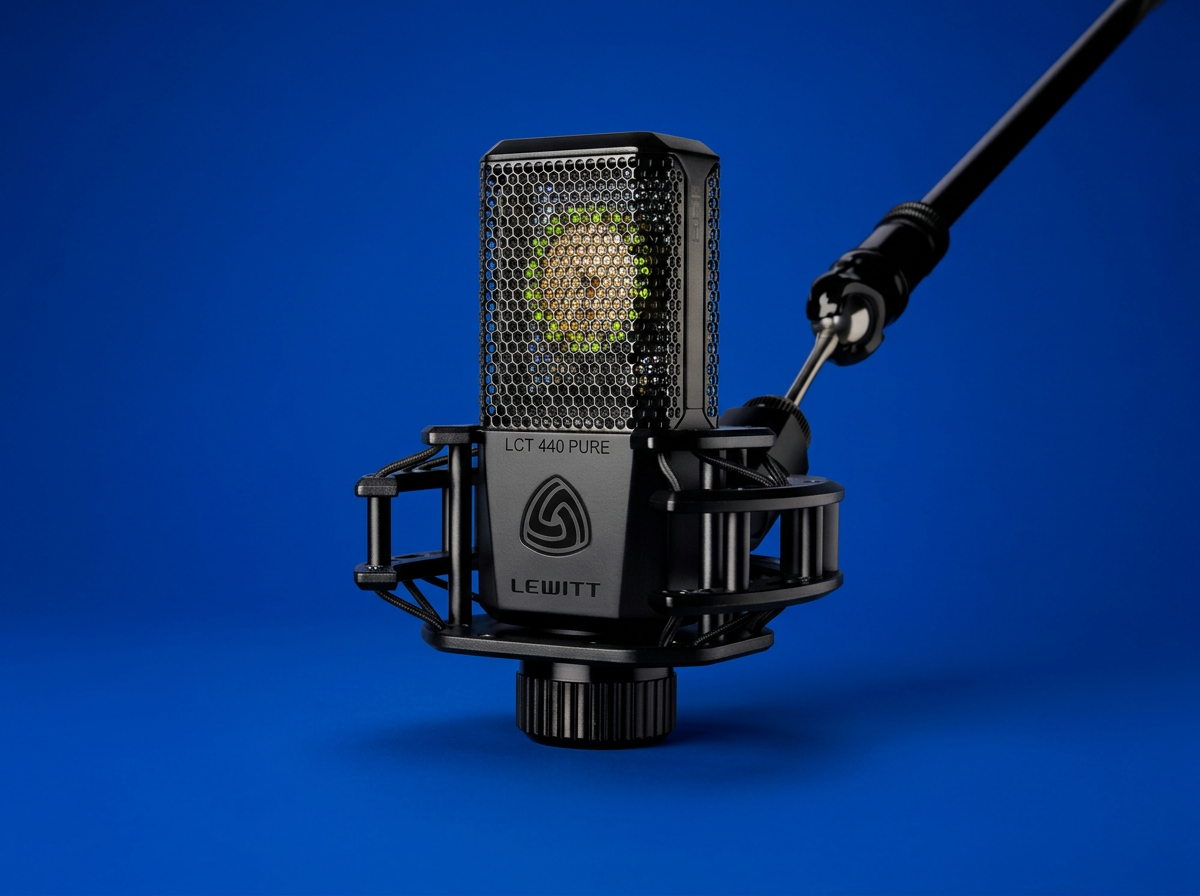
This is the "sounds great on almost anything" pick. Clean, detailed, no weird coloration to fight against in the mix. If $300 is too tight, the LCT 240 gets you a lot of that same clarity for less, making it a smart starting point if you're just building out your first chain.
Specs at a glance:
Type: True condenser, large diaphragm
Polar Pattern: Cardioid
Frequency Range: 20 Hz – 20 kHz (implied by typical specs)
Max SPL: 142 dB (for 0.5% THD)
Features: Includes shock mount, pop filter, and windscreen
Requires: 48V Phantom Power
3. Warm Audio WA-47jr and WA-87jr - $249
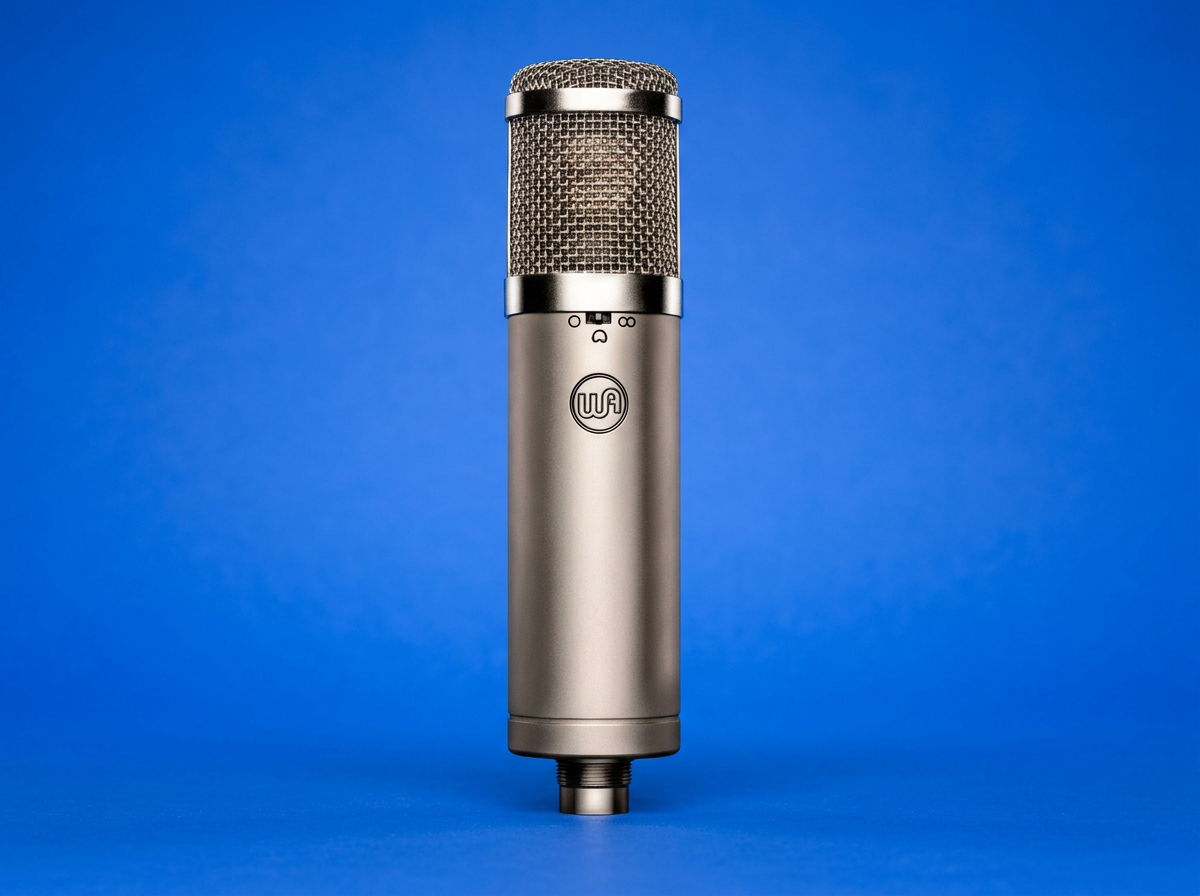
Warm Audio built these as accessible takes on the legendary Neumann U47 and U87. You get vintage character with a more modern, controlled top end. If budget is still tight, look at the SE versions of the same mics, they trim the price further while keeping the vibe intact.
Specs at a glance (WA-47jr):
Type: Large-diaphragm condenser with K47-style capsule
Polar Pattern: Switchable: Cardioid, Omni, Figure-8
Frequency Range: 20 Hz – 20 kHz
Max SPL: 147 dB
Features: Transformerless circuitry, switchable -10dB pad and 70Hz high-pass filter
Specs at a glance (WA-87jr):
Type: Large-diaphragm condenser with K87-style capsule
Polar Pattern: Switchable: Cardioid, Omni, Figure-8
Max SPL: 125 dB (135 dB with pad)
Features: Transformerless circuitry, switchable -10dB pad and 80Hz high-pass filter
4. Audio-Technica AT2035 -$159
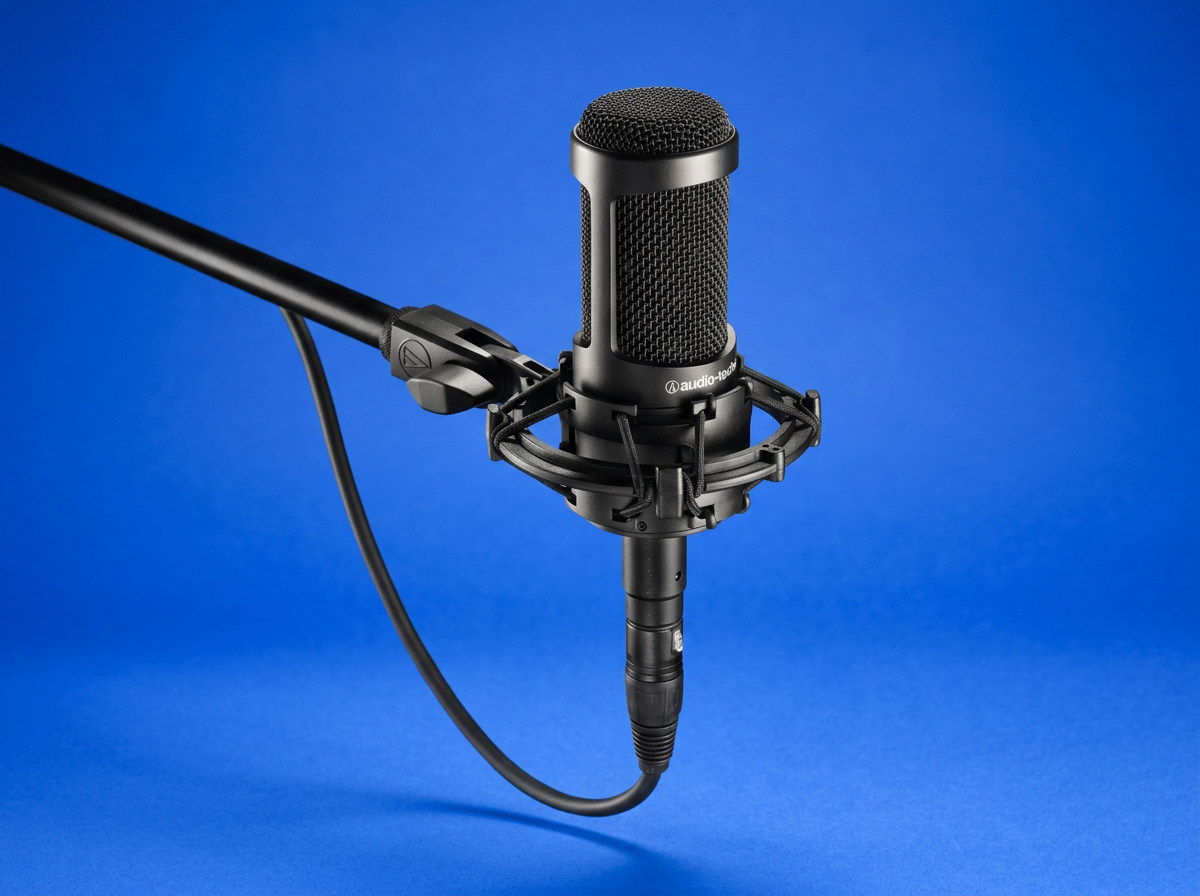
The AT2035 has been the go-to affordable standard for close to two decades now, and it's still relevant for a reason. It's dependable, well balanced, and forgiving on a beginner's room treatment. If you want one mic that just works, this is it.
Specs at a glance:
Type: Large-diaphragm condenser
Polar Pattern: Cardioid
Frequency Range: 20 Hz – 20 kHz
Max SPL: 148 dB (158 dB with pad)
Features: Custom shock mount, switchable 80Hz high-pass filter and 10dB pad
Requires: 11-52V Phantom Power
5. Universal Audio SD-1 - $249
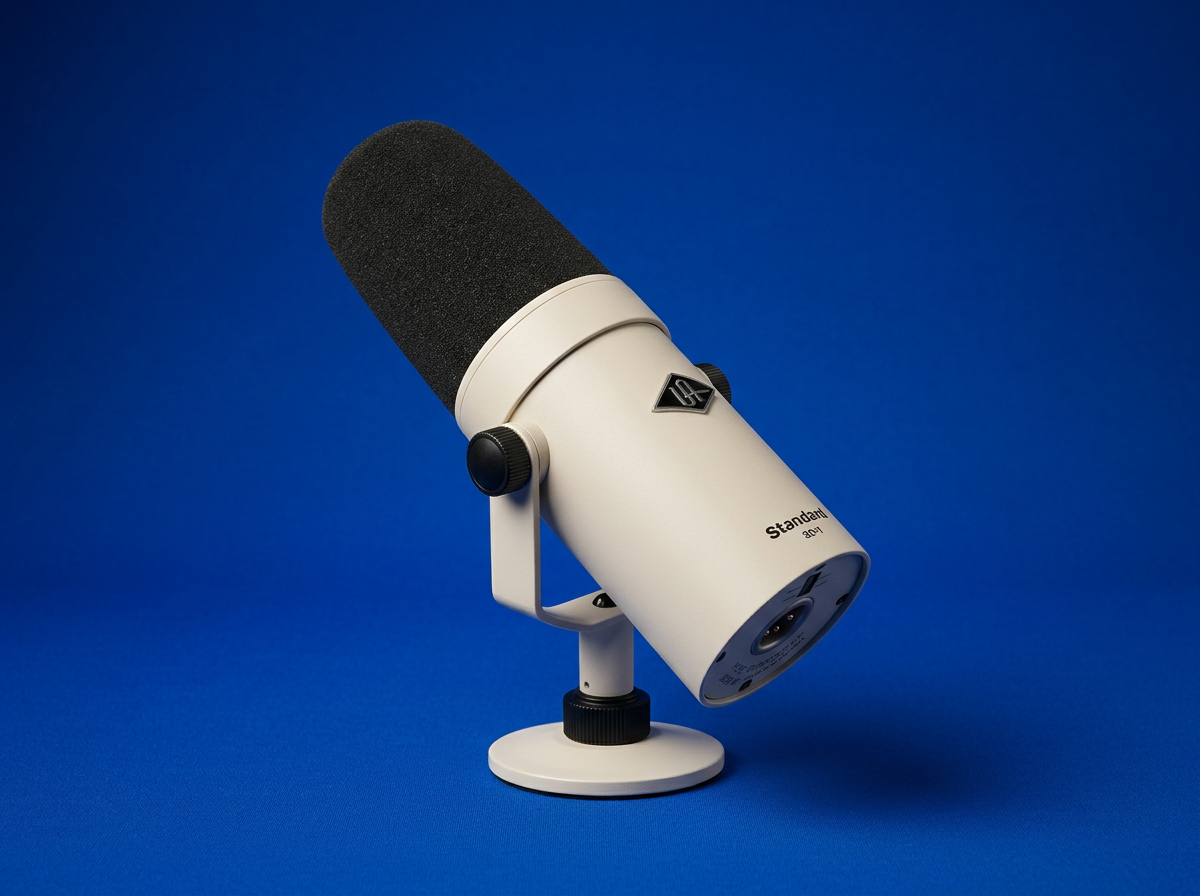
My pick for tricky rooms. If your space has problem frequencies you haven't fully treated yet, the SD-1 handles that better than most mics in this range. Want something cheaper that still holds up in a rough room? The Shure SM57 with an A2WS windscreen is a scrappy, reliable alternative.
Specs at a glance:
Type: Dynamic
Polar Pattern: Cardioid
Frequency Range: 50 Hz – 16 kHz
Max SPL: Not applicable (dynamic mic handles high SPL easily)
Features: Internal shockmount and windscreen, switchable low-cut filter (200 Hz) and articulation boost (3-5 kHz)
Requires: No phantom power required
That wraps up our first installment of Bedroom Studio Blueprint. Five mics, zero regrets, and hopefully a lot less scrolling through endless forum threads at 2 AM. Next up, we're diving into the unsung hero of your signal chain—the interface—and trust me, you don't need to spend a fortune to get a clean, quiet preamp. So hit that bookmark, tell a friend who's still recording on their laptop's built-in mic (you know who you are), and remember: the best gear is the gear that actually gets used. See you in the next one.